How the Japanese Shipped Viktor Belenko’s MiG-25 Back to USSR
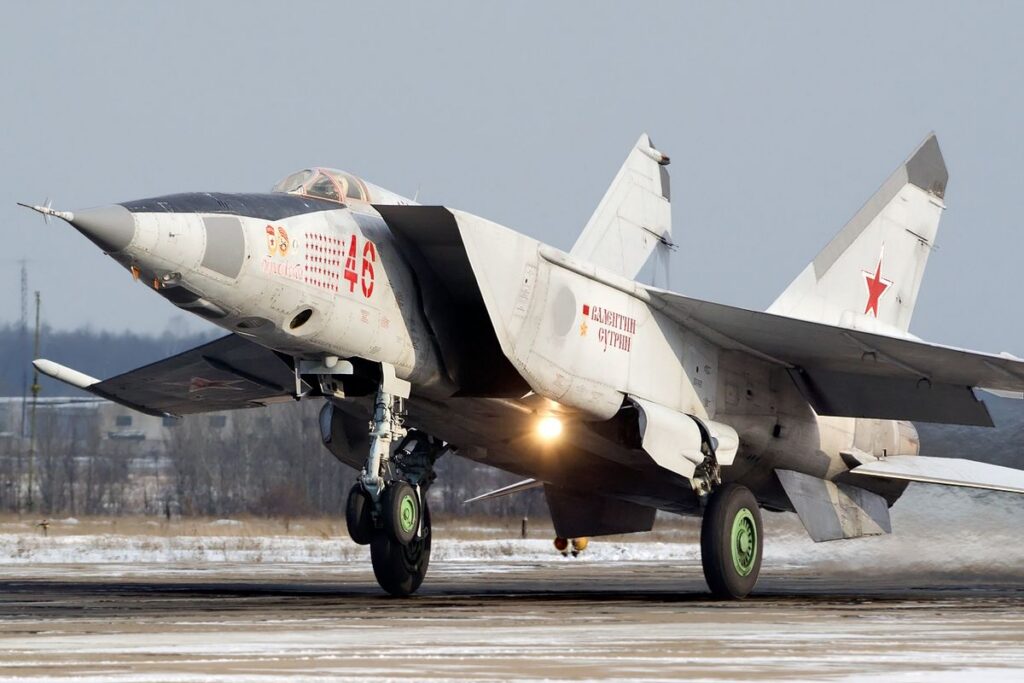
After Viktor Belenko landed his MiG-25P at Hakodate Airport on Sept 6, 1976, Japan let U.S. and Japanese tech teams have it.
What Happened During those 2 Months?
1. Total disassembly: They took apart everything at Hyakuri Air Base. Engines, radar, wings, ejection seat. U.S. Air Force and Foreign Technology Division cataloged every nut and bolt.
2. The big discoveries: That’s when they found the vacuum tubes, nickel-steel construction, the drink cooler that used alcohol meant for de-icing, and the fact the radar would literally cook a rabbit at 100m.
3. Belenko got asylum: He was debriefed for 5 months, then given U.S. citizenship and a new identity. He later co-wrote MiG Pilot. The Soviets were furious the whole time and demanded the jet back immediately. Japan said “we’re investigating a violation of our airspace” and stalled for 67 days.
The return: “Here’s your plane back” – Nov 1976
On Nov 15, 1976, Japan finally gave it back. But they made a point.
How the Japanese shipped the MiG-25 Back to the Soviet Union:
1. The 30 wooden crates: The MiG-25 wasn’t flown back. Japanese techs crated up every piece. Wings in one box, engines in another, landing gear in another. Like IKEA furniture from hell.
2. “Assembly required”: No instructions included. Soviet engineers had to figure out how to put it back together from scratch.
3. The bill: Japan sent Moscow an invoice for $40,000 for “crating and shipping costs” + another $10,000 for damage to Hakodate Airport.
4. The Aircraft Condition: The U.S. had done non-destructive testing, but the Soviets claimed the Americans “sabotaged” it. In reality, the plane was flight worthy — it just needed to be reassembled.
Soviet reaction: They were humiliated. Official Pravda statement called it “air piracy” and said Japan was a U.S. puppet. Privately, they were terrified because now NATO knew exactly how to kill a MiG-25.
The Aftermath for the Jet
The Soviets got the crates to the USSR in late Nov 1976. What happened to that specific MiG-25:
It Never flew again: It was studied by Soviet engineers to see what the Americans learned, then used for ground instruction. Viktor Belenko tried in the USSR and convicted of treason in absentia and sentenced to death. He lived in the U.S. until his death in 2023. 3. Whole fleet grounded: Every MiG-25P in Soviet service had to get new IFF, new radar frequencies, and new tactics. Which cost approximately $2B.
The Best Part: The Trolling:
Japan held onto Belenko’s flight manual and personal notes “for further investigation” and only returned them years later. And the $40,000 invoice? The Soviets actually paid it in 1976 to avoid more diplomatic drama.
So the “paper tiger” wasn’t just exposed — it was shipped home in pieces with a shipping bill attached. Peak Cold War pettiness.
Viktor Belenko’s defection on Sept 6, 1976 was one of the biggest intelligence coups of the Cold War. Crazy thing is — both sides actually got benefits out of it, just in very different ways.
Benefits for the Americans and NATO
1. Killed the MiG-25 myth, saved billions:
Before the defection, The Pentagon was designing F-15s, F-16s, and tactics around a Mach 3, 9g super fighter that didn’t exist.
After the defection, They learned the Foxbat was a 4.5g, steel, point-defense interceptor with 1960s avionics.
Result: U.S. realized the F-15 was already superior. No need to panic-build a “Super Eagle.” DoD estimates say this saved ∼$1B+ in R&D they didn’t have to spend.
2. Tech exploitation goldmine:
3. Tactical + morale win:
It gave NATO pilots a playbook: “Don’t turn with it, drag it slow, then kill it.” Iraqi MiG-25s got handled this way in 1991.
Massive propaganda victory. “Our pilots want to defect to us.” Used heavily in Radio Free Europe broadcasts.
Belenko’s debriefs revealed Soviet pilot training, morale, and base conditions were poor. That shaped NATO war plans.
4. Intelligence on Soviet life:
Belenko described food shortages, alcoholism in the VVS, and how pilots feared the KGB more than the enemy. This human intel was as valuable as the jet.
Benefits for the Soviets:
Sounds weird, but the USSR did gain some things after the initial humiliation.
1. Forced modernization:
The MiG-25’s flaws were undeniable once exposed. This lit a fire under Soviet leadership.
The direct result was the development of the MiG-31 Foxhound. First flew in 1975, but Belenko’s defection accelerated it. The Soviets improve on the radar system of the Foxhound, which became the Successor of the Foxbat.
Still in service in 2026. Without Belenko, MiG-31 might’ve been delayed years.
Also sped up MiG-29 and Su-27 programs with emphasis on real dogfighting, not just speed.
2. Purged security holes:
Belenko exposed how easy it was to steal a front-line jet. USSR overhauled base security, pilot screening, and KGB monitoring.
Changed IFF codes across the entire Warsaw Pact. Painful and expensive, but closed a huge vulnerability before a war started.
Stopped fueling MiG-25s with alcohol for de-icing after realizing pilots were drinking it. Small, but real readiness gain.
3. Doctrine Reality Check:
Soviet Air Force was obsessed with “faster, higher” since the 1950s. Belenko proved that was a dead end vs modern fighters.
Shifted doctrine to: GCI + datalink + IRST + helmet-mounted sights. That’s why MiG-29 had a helmet cueing system 10 years before the U.S.
Basically, the defection forced them to stop building jets for 1960s B-70s and start building jets for 1980s F-15s.
4. Propaganda spin at home:
Internally, USSR told citizens Belenko was kidnapped/drugged by the CIA. Used it to justify more internal control.
Purged “unreliable” officers, which, from the Politburo’s view, strengthened loyalty — even if it hurt morale.
Who benefited more?
The irony: Belenko thought he was hurting the USSR. In some ways he saved them from building more 1960s tech in the 1980s. And the U.S. thought they scored big — which they did — but it also meant they overestimated Soviet incompetence for the next decade.
Belenko himself said in 1996: “I gave America the MiG-25. But I also gave Russia the MiG-31.”


Tony is a Aviation, Aerospace and Airplane Geek. He specializes in Aeronautics, Avionics, Military Air Assets, Airliners and Airlines